Kakadu is one of Australia’s most famous national parks, located in the Northern Territory. Beyond its floodplains, escarpments and rock art galleries, the name “Kakadu” itself has deep cultural meaning rooted in Indigenous language and heritage.
Contents
The Name
The name “Kakadu” comes from the mispronunciation of “Gagudju”, one of the Aboriginal languages once spoken in the northern part of Kakadu. Although the Gagudju language is mostly extinct, its legacy lives on through the name of the park. This name represents the deep ancestral connection between Indigenous peoples and the land, the stories, knowledge and traditions that have been passed down through thousands of generations.
Language is a big part of Indigenous culture and even as languages fade, their legacy remains in the land. The preservation of Gagudju through the name Kakadu is a lasting tribute to Aboriginal land, Aboriginal peoples and their living culture.
A Cultural Landscape
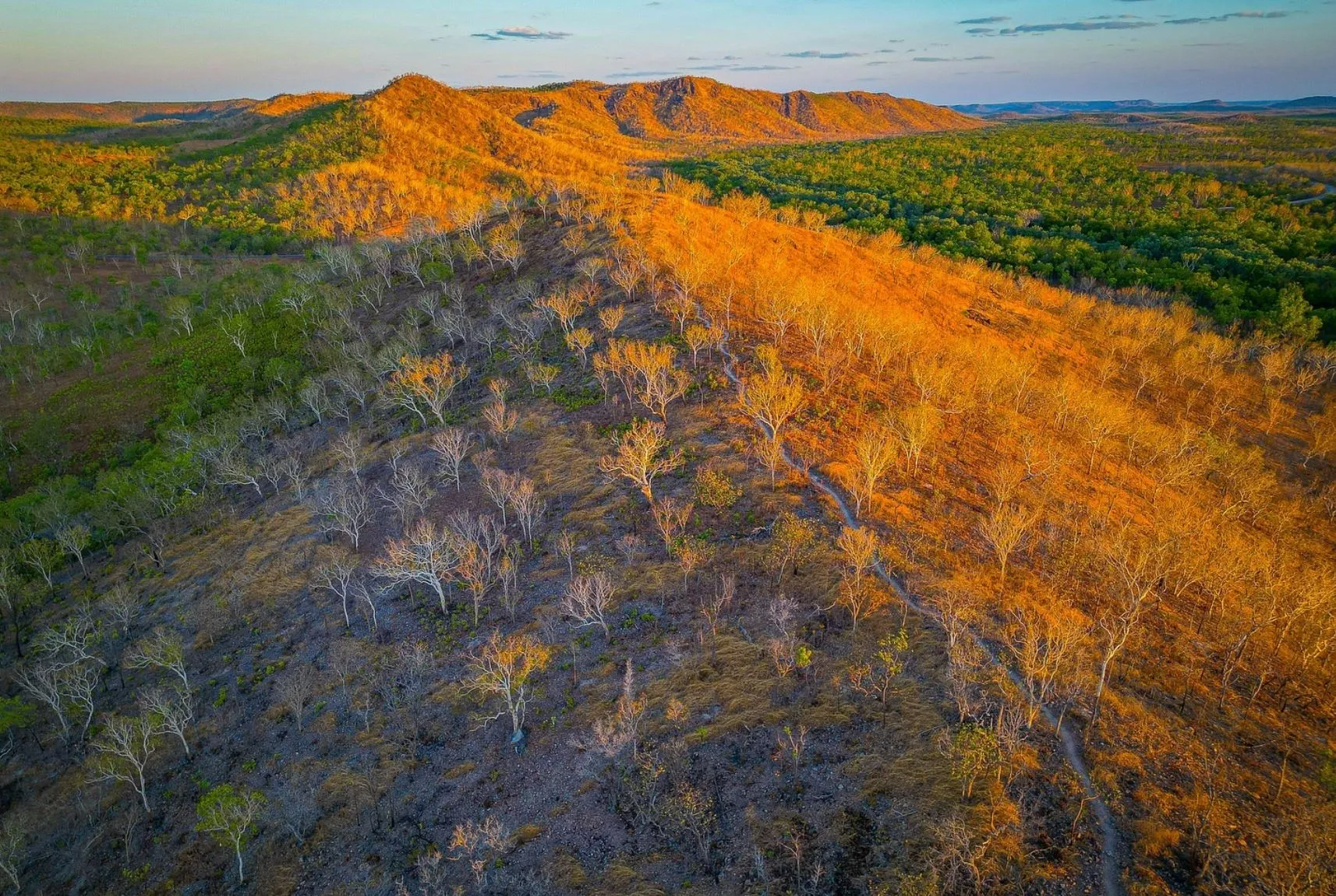
Kakadu is more than a beautiful wilderness – it’s a sacred and spiritual landscape. A UNESCO World Heritage site for both its cultural and natural values, Kakadu has many sacred sites, ceremonial grounds and cultural sites that tell the story of survival, connection and resilience. These places are important to the cultural values and economic security of the Aboriginal community.
Across 20,000 square kilometres Kakadu is home to the Bininj/Mungguy people – the traditional owners of this land. Their stories, customs and management define Kakadu as a place of great cultural significance. Ceremonies, ancestral narratives and Dreaming stories tied to specific rock formations and waterholes reveal Kakadu as a living cultural landscape.
Daily Life and Traditional Practices
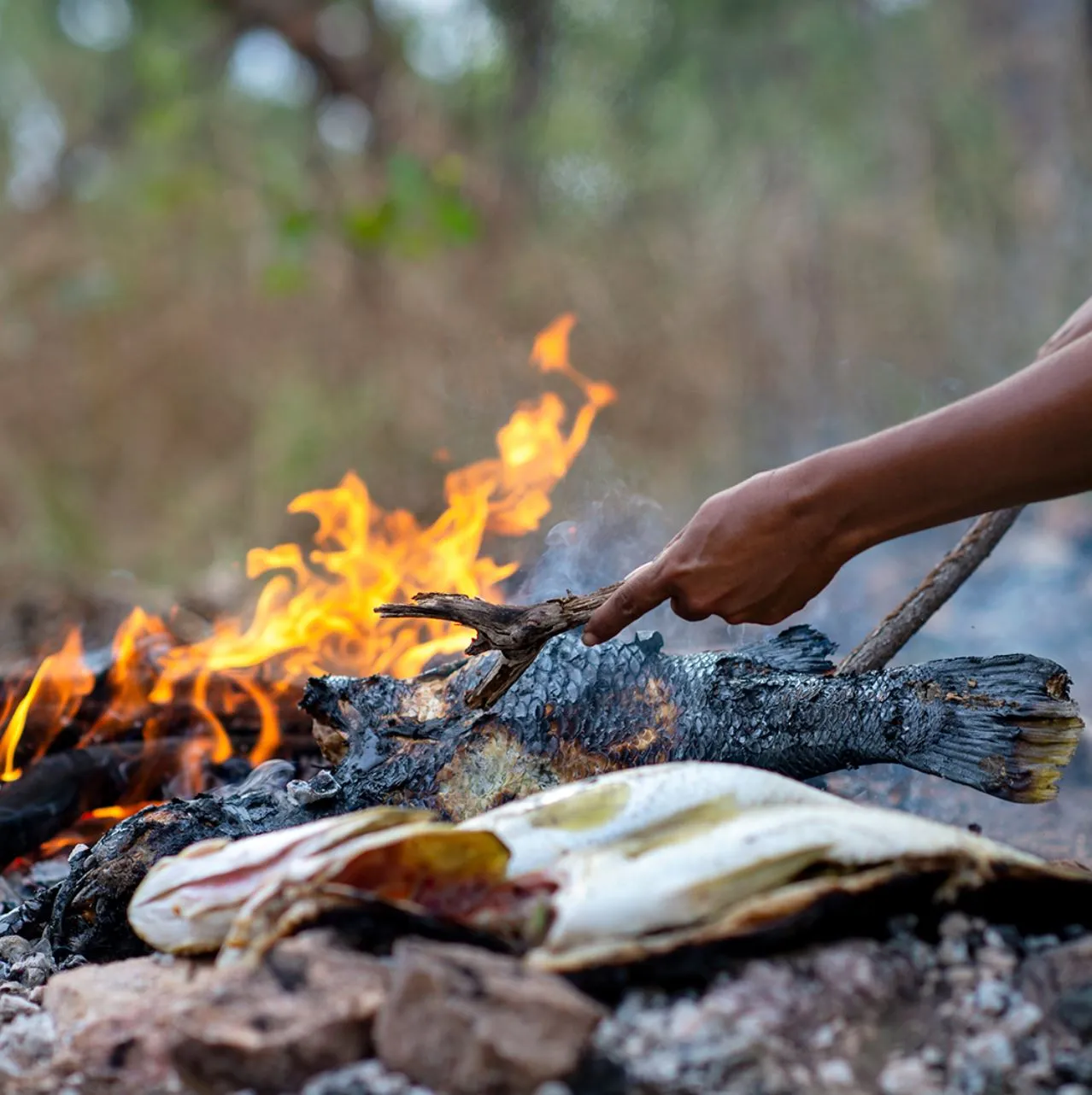
For the Bininj/Mungguy, Kakadu is not just a national park—it’s home. Daily life is still guided by cultural traditions, seasonal cycles and a deep respect for nature. The wet and dry season structure the rhythm of activities like hunting, gathering, fishing and ceremonial practices.
These seasonal changes also shape the environment and the animals. In the wet season the billabongs and floodplains fill up and the waterbirds and saltwater crocodiles come out. In the dry season the land dries up and the native animals like wallabies, goannas and bush birds appear. These animals are not only important for ecological balance but also part of traditional stories.
Aboriginal people have been adapting to and thriving in these seasonal changes for thousands of years using language learning resources, oral storytelling and hands-on education.
Wet and Dry Season
The table below shows how the two seasons impact cultural life and biodiversity in Kakadu:
| Season | Environmental Features | Cultural Activities | Animal Life |
|---|---|---|---|
| Wet Season | Flooded wetlands, heavy rain, lush greenery | Fishing, storytelling, and ceremony preparation | Saltwater crocodiles, waterbirds |
| Dry Season | Dry floodplains, cool nights, bushfires | Hunting, gathering, fire management, and art creation | Wallabies, goannas, bush birds |
A Hotspot of Biodiversity and Wonder
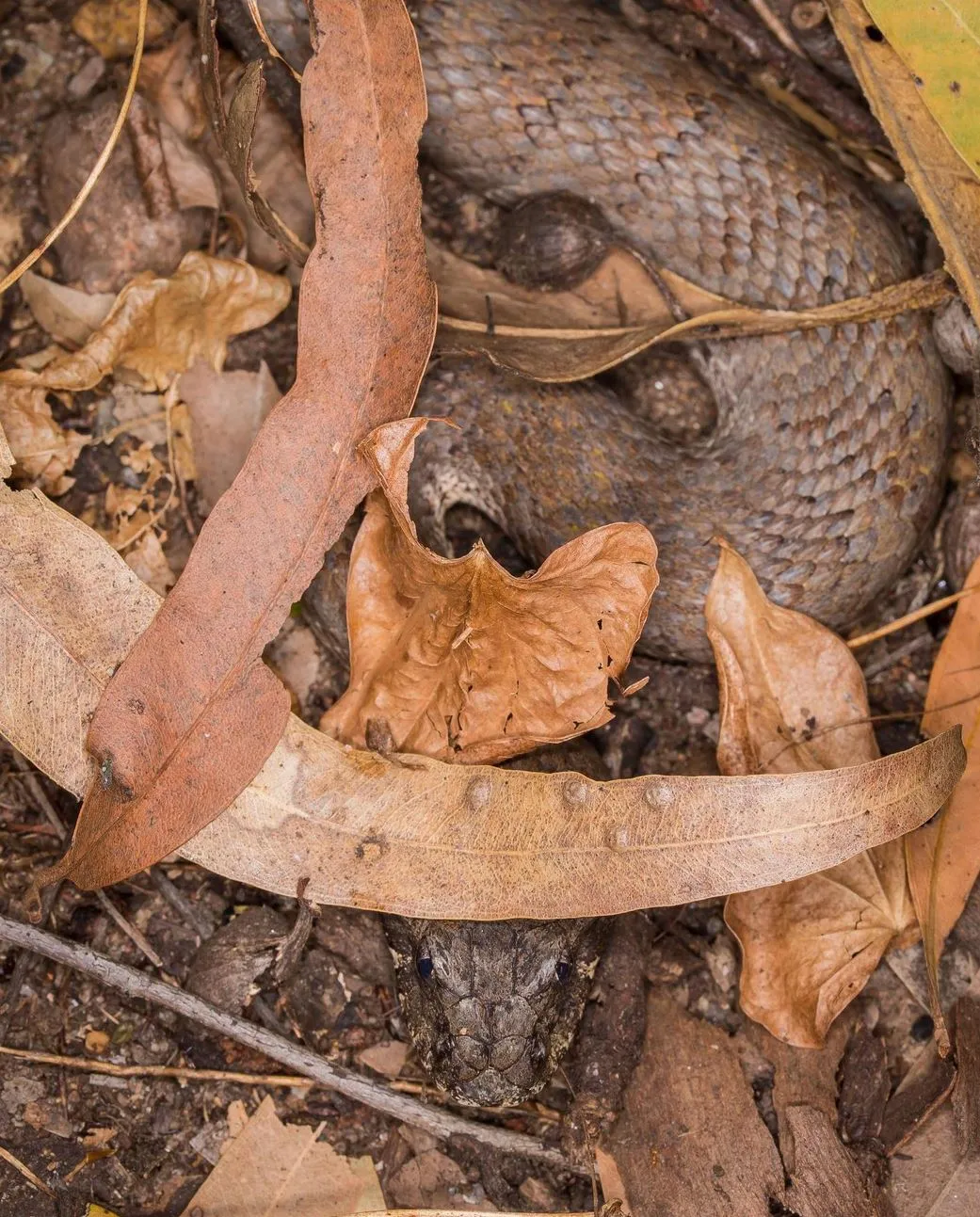
Kakadu’s biodiversity includes wetlands, savannah woodlands, mangrove forests and stone plateaus. These environments support an incredible array of native animals, some of which are endemic or threatened. The saltwater crocodile is one of Kakadu’s most famous creatures, feared and revered in ecological and cultural contexts.
The animal life of Kakadu is linked to Indigenous perspectives and traditional law. Each species has a place in the web of stories that make up the ancestral lands of this country. Protecting this natural heritage protects the cultural significance for Indigenous communities.
Living Culture
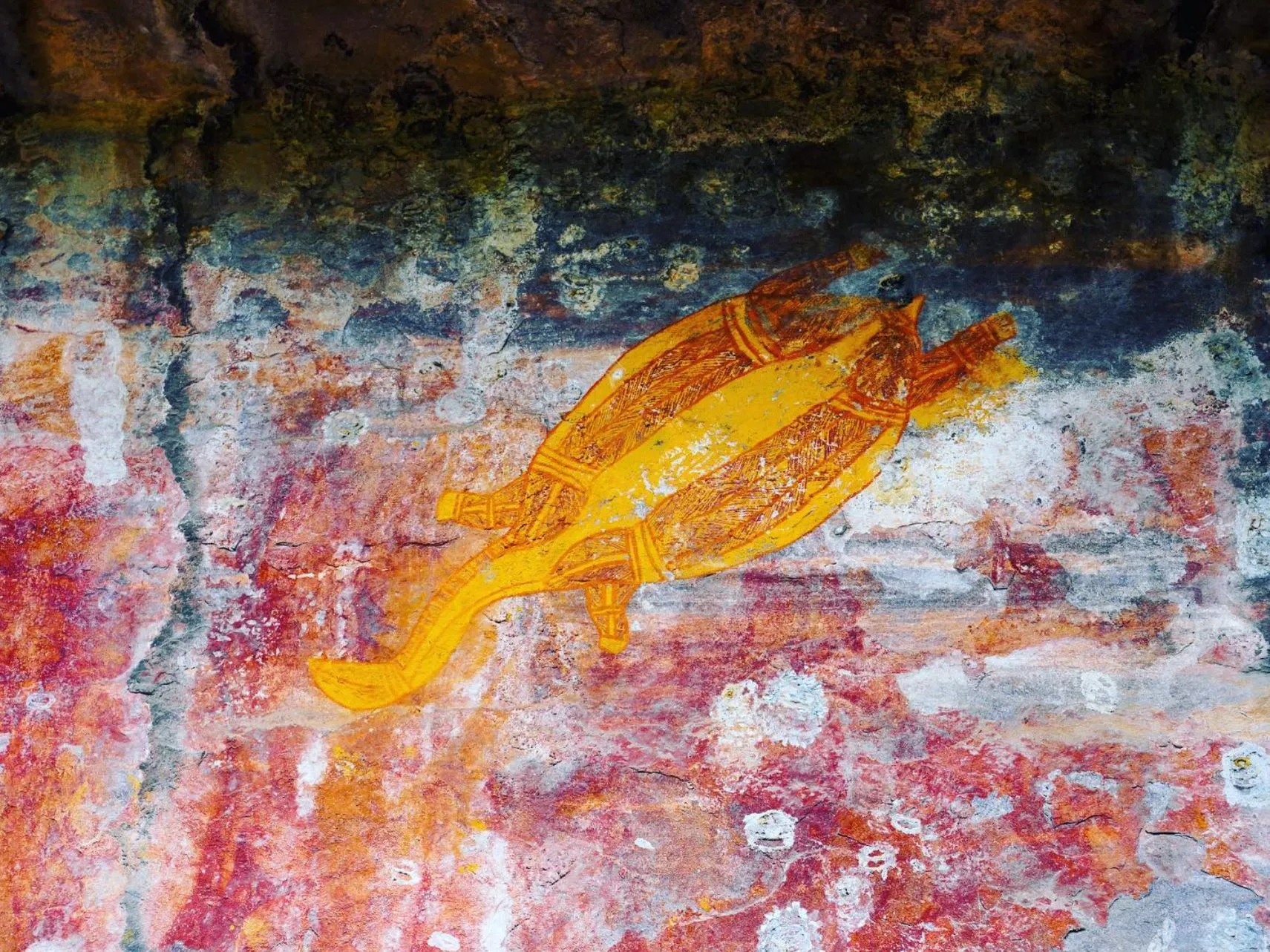
One of the most powerful things about Kakadu is that it’s living culture. Unlike historical sites that have been abandoned or forgotten, Kakadu is still inhabited, managed and celebrated by the Aboriginal community. You can see rock art galleries that are tens of thousands of years old and still relevant to modern Aboriginal culture.
The sacred sites give insight into ancestral law, ceremonial customs and moral teachings. These sites are treated with deep respect and are often shared with visitors through guided tours by Aboriginal rangers and cultural leaders. Sacred sites in Kakadu are not just tourist stops – they are the pillars of Aboriginal identity and spirituality.
Learning by Doing
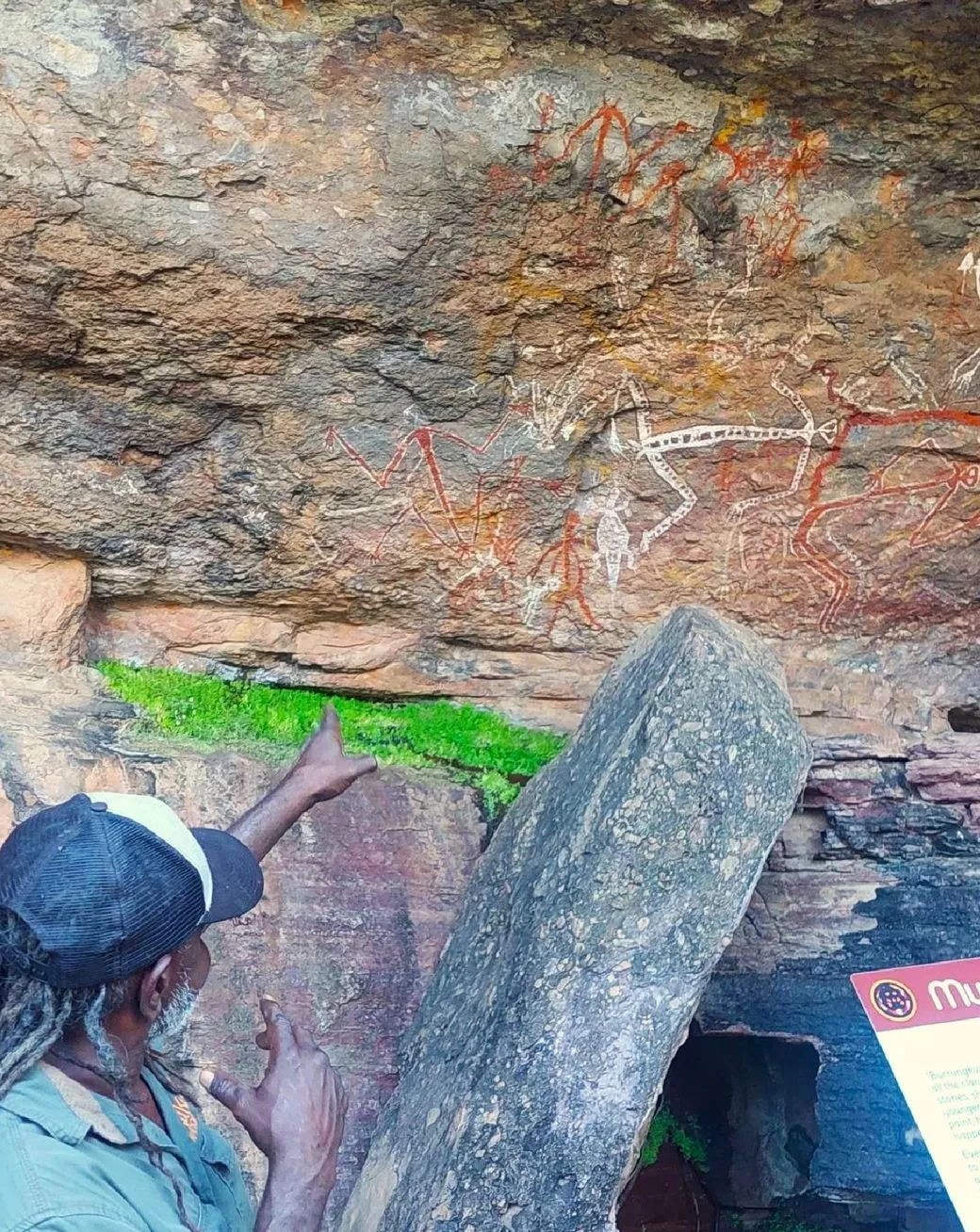
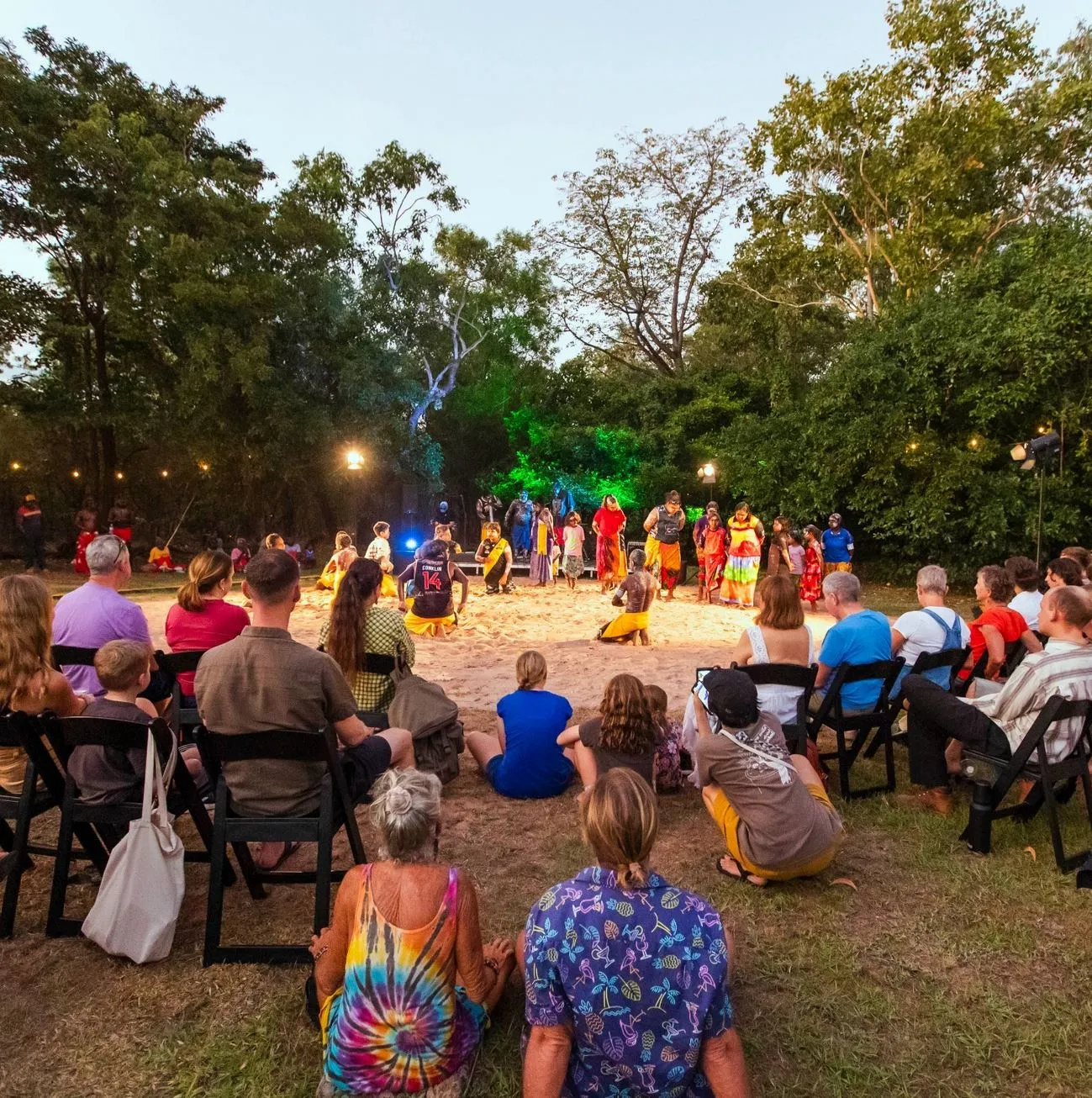
Travellers can gain a deeper understanding of Indigenous culture by participating in interpretive programs, community-run events and art centre visits. These immersive experiences help Indigenous perspectives and allow you to see the land through the eyes of the original custodians.
Cultural tourism in Kakadu also provides economic security for the Aboriginal community by creating jobs, pride and the continuation of language and traditional knowledge. Language learning resources and storytelling tools enable communities to pass on valuable lessons to the next generation and educate outsiders with respect and authenticity.
A 3 day Kakadu tour is recommended for travellers who want to really get the cultural layers of the park. These tours give you a firsthand experience of sacred sites, Indigenous guides and stunning natural beauty.
Kakadu and Beyond
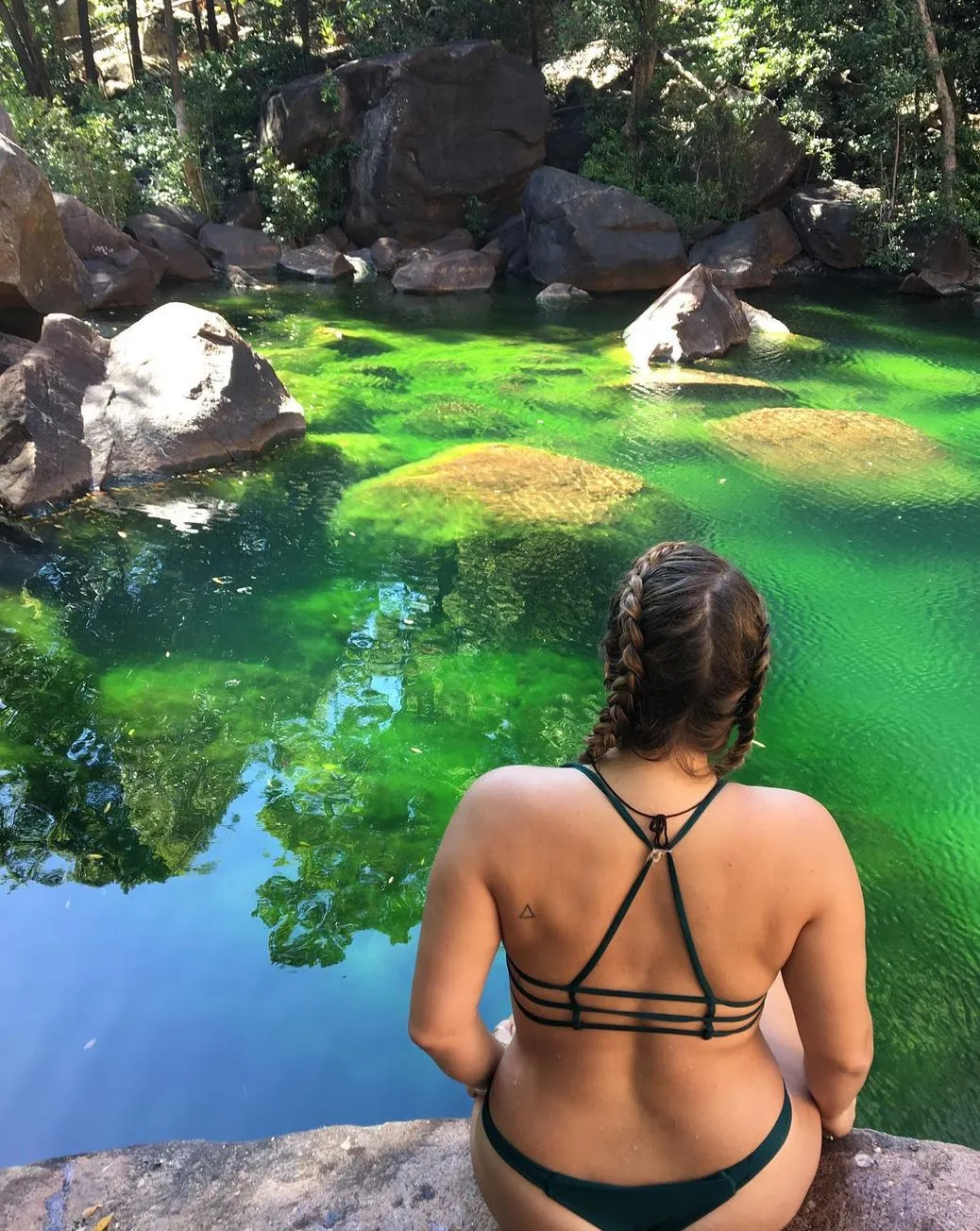
Kakadu is part of a bigger cultural and natural corridor in the Northern Territory. Nearby places like Litchfield National Park, Arnhem Land and Nitmiluk Gorge offer more opportunities to see sacred sites, national parks and Aboriginal cultural values.
A 3-day Kakadu tour is a great introduction to the park’s vast landscapes, sacred stories and natural wonders. Travellers can see ancient rock art, see saltwater crocodiles and learn from Aboriginal guides about the cultural significance of every stop. One of the leading providers of such experiences is Autopia Tours who help guests discover the real meaning of Kakadu through respectful, informative and inspiring journeys.
FAQ
What does Kakadu mean?
Kakadu comes from the Aboriginal language name “Gagudju” which is one of the traditional languages spoken in the area.
Why is Kakadu a sacred land?
Kakadu has thousands of years of spiritual, cultural and environmental knowledge and has sacred sites still used by Indigenous peoples today.
How do the seasons affect life in Kakadu?
The wet season and dry season affect animal life, cultural practices and daily life activities like hunting, fishing and ceremonies.
What can I learn from a Kakadu cultural tour?
You can learn about Indigenous perspectives, sacred sites, ancestral stories, native animals and how culture and conservation are connected.
How is Indigenous culture preserved in Kakadu?
Through living traditions, language learning resources, guided tours, community programs and continued connection to ancestral lands by Aboriginal communities.