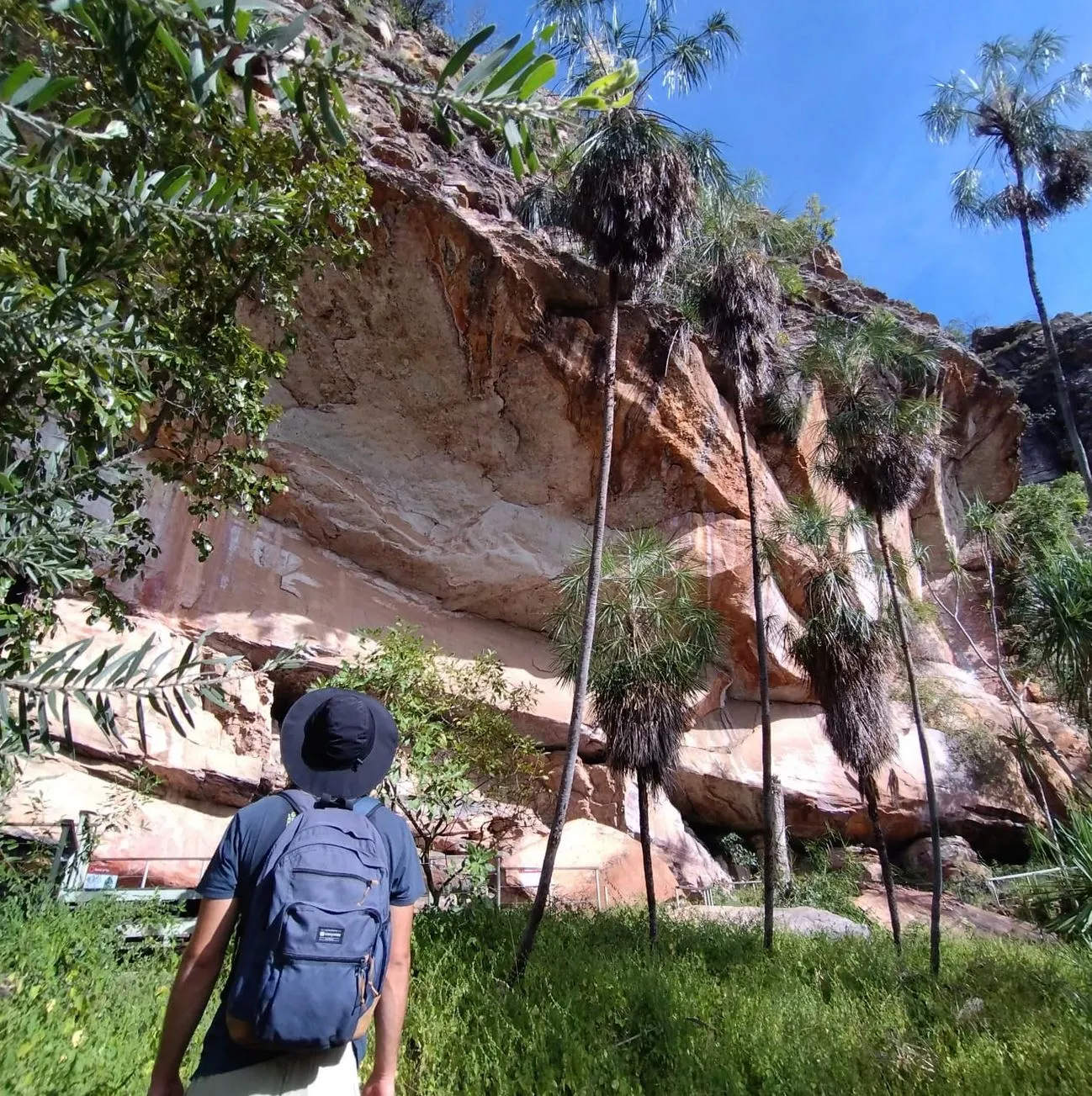
Kakadu National Park is located in the Northern Territory of Australia, 171 kilometres (106 miles) southeast of Darwin, the capital city. Covering nearly 20,000 square kilometres, Kakadu is Australia’s largest national park and one of the most beautiful national parks in the world. This vast and intact landscape has natural wonders, wildlife and deep cultural significance. A dual World Heritage site for both its natural and Aboriginal cultural values, Kakadu National Park is priceless.
Contents
A Land of Variety and Plenty
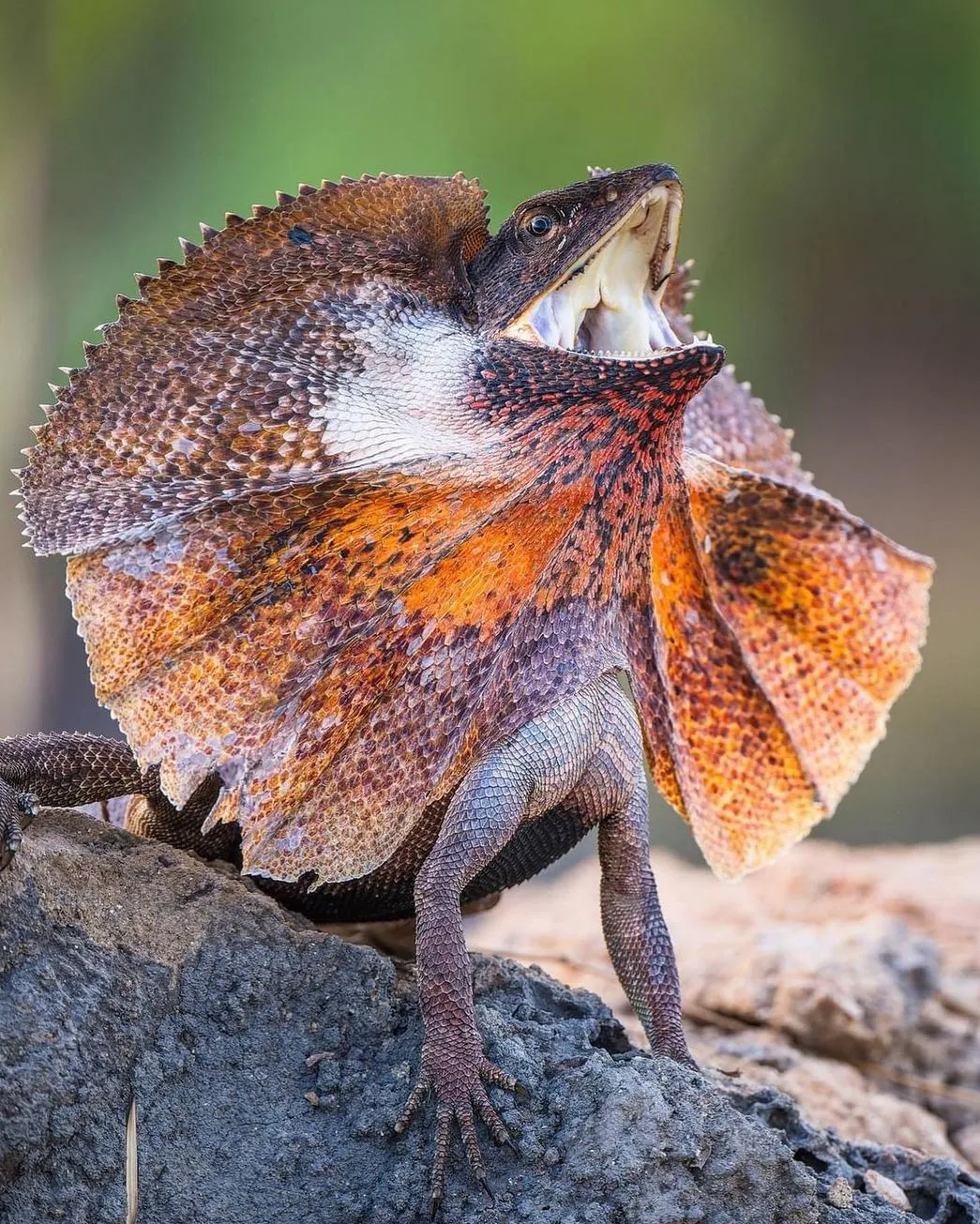
The park is home to an incredible array of life, with plenty of water to support wetlands, waterholes, mangrove forests, stone country and savanna woodlands. The wet season has a big impact, turning the land into a vibrant, thriving paradise where freshwater crocodiles and saltwater crocodiles coexist. During the wet season rivers swell, waterfalls cascade over cliffs and an amazing array of wildlife flourishes.
Kakadu has over 280 bird species, making it one of the best national parks for birdwatching. From tiny honeyeaters to massive sea eagles, you can see a wide range of species. Plus, you can see many species of reptiles, amphibians and countless plant species. Every corner of Kakadu has impressive trees, thriving ecosystems and sites where incredible stories of survival and adaptation are told.
Cultural Significance
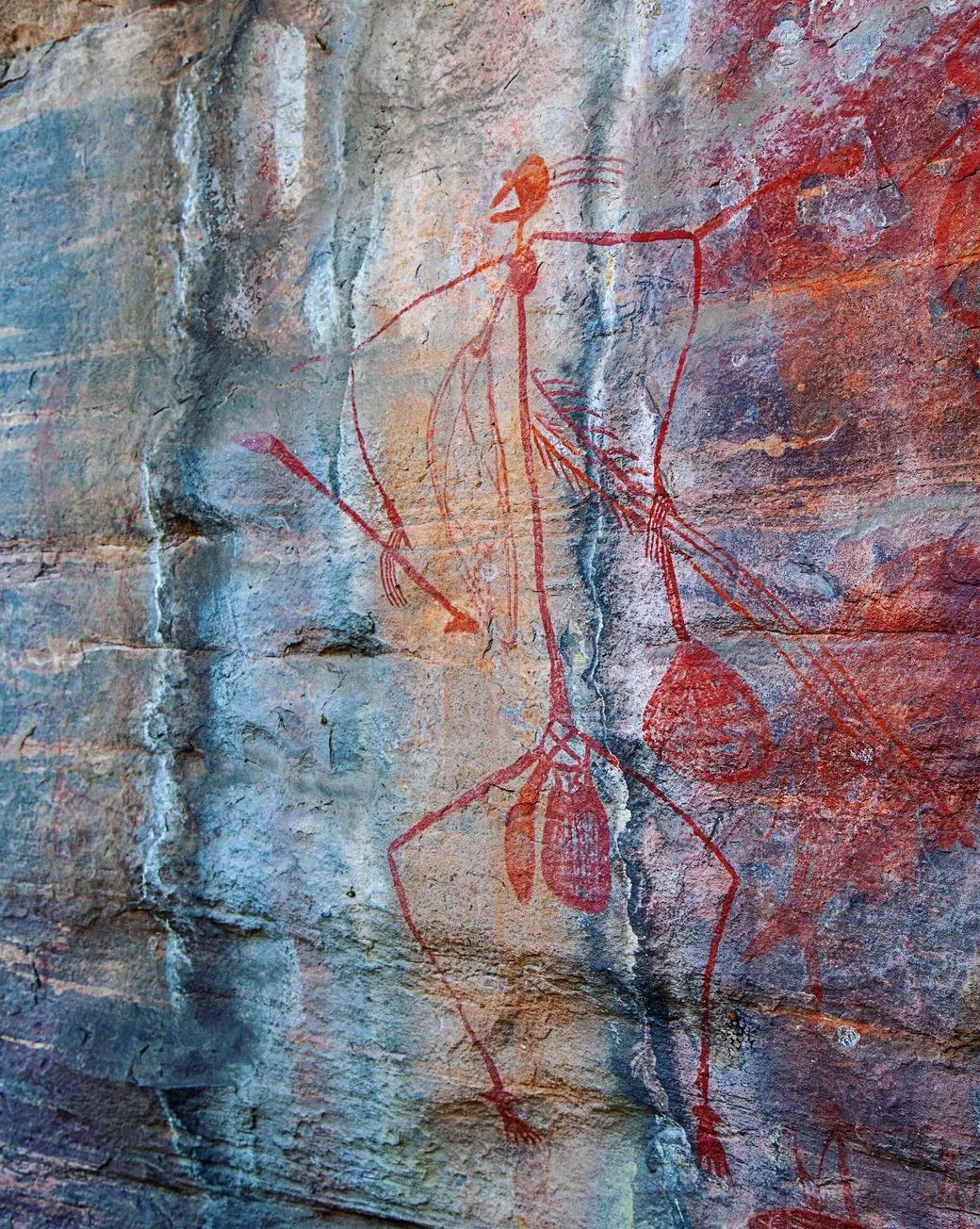
The cultural landscape of Kakadu has been occupied by humans for tens of thousands of years. Aboriginal hunters mastered the land, using natural springs for water, rock formations for shelter and sustainable practices like crocodile shooting and hunting of crocodiles long before commercial hunting. Their successful hunts and deep connection to the land are told in the impressive paintings at Ubirr and Nourlangie.
Archaeological research is still uncovering ancient sites and paintings that reveal the meaning behind their art, showing how connected the Aboriginal people were to the environment. The rock art styles are one of the longest historical records of any group of people on Earth.
Wild Encounters
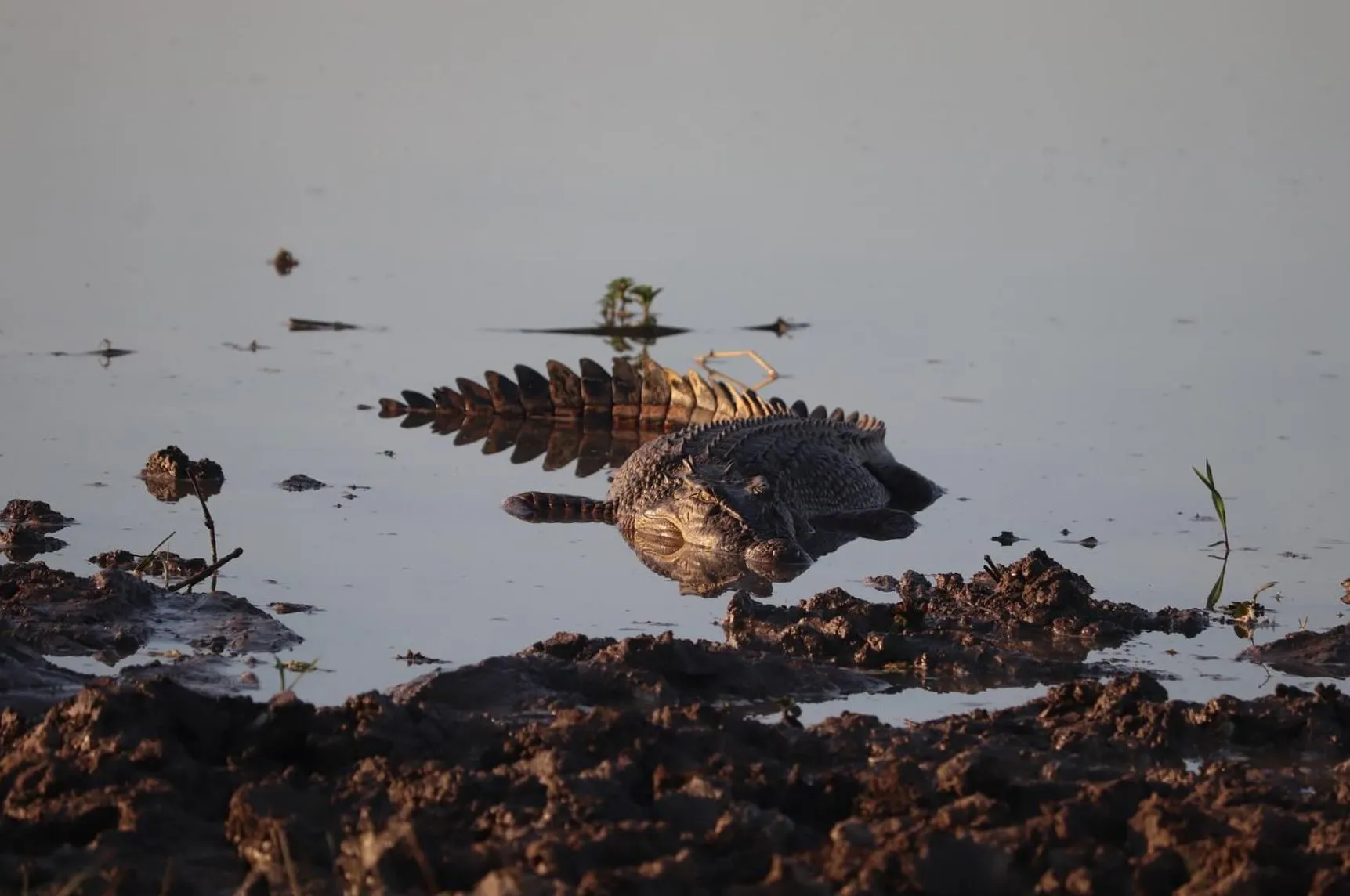
For visitors Kakadu offers the chance to have wild encounters with animal life in their natural habitat. See freshwater crocodiles basking in the sun, saltwater crocodiles patrolling billabongs and birds thriving in wetlands. The abundance of water especially during the wet season brings the ecosystem to life and is a soothing embrace of nature that heals many who visit.
The tropical cyclones that hit the region during the wet season shape the landscape and form outlying formations and isolated waterholes that are perfect habitat and shelter for many species.
Getting to the Park
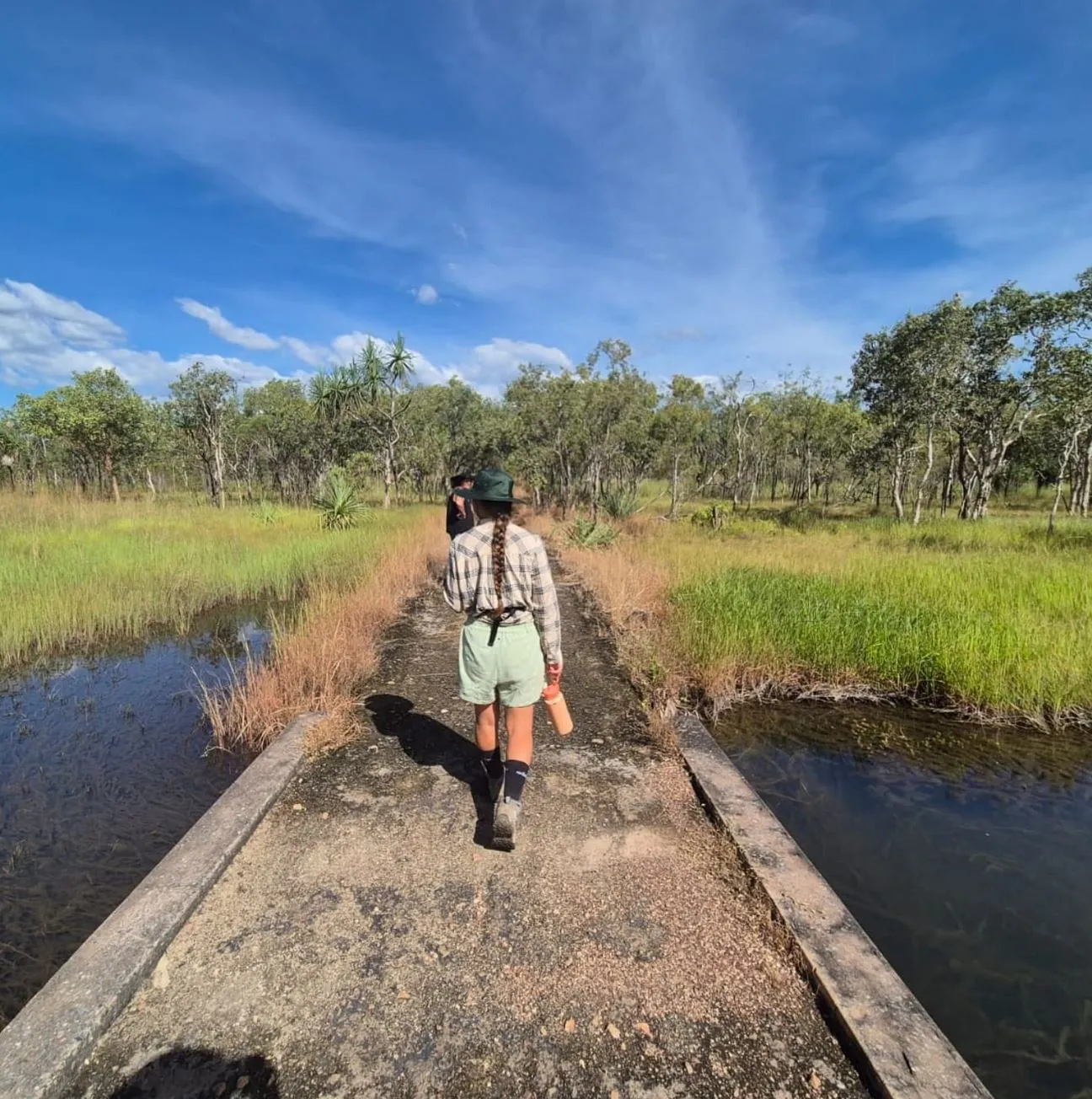
From Darwin you can drive to Kakadu along the Arnhem Highway. The trip takes about 3 hours. Service stations along the way are good for refuelling. Many opt for an organised tour such as the popular 5 day Kakadu tour to fully experience the park. Wildlife Tours a trusted brand offers expertly curated tours that showcase Kakadu’s natural springs, rock art and wildlife.
A 5-day Kakadu tour is perfect for those who want to see the park’s hidden corners from remote wetlands to ancient art sites without the hassle of self-planning. With experienced guides you will gain a deeper understanding of the land’s history, biodiversity and spiritual significance.
Nearby Attractions
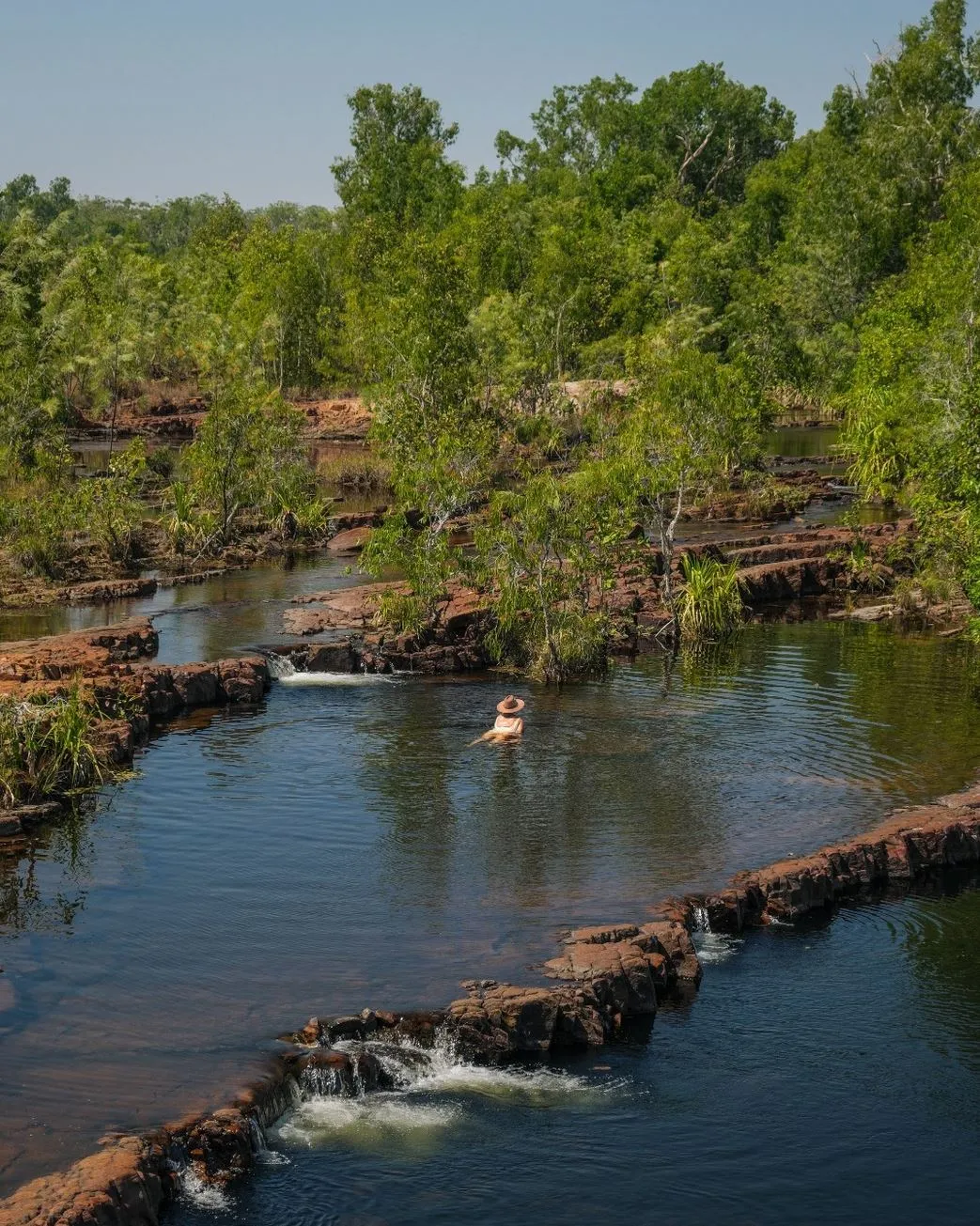
While in Kakadu consider visiting nearby national parks such as Litchfield National Park famous for its waterfalls and magnetic termite mounds or Nitmiluk National Park (Katherine Gorge) with its stunning sandstone cliffs and Aboriginal culture tours. Arnhem Land another nearby area offers a deeper insight into Aboriginal land traditions and untouched landscapes.
These nearby destinations add to the overall journey wild encounters, tropical cyclone history and ancient traditions passed down through generations.
Plan Your Trip
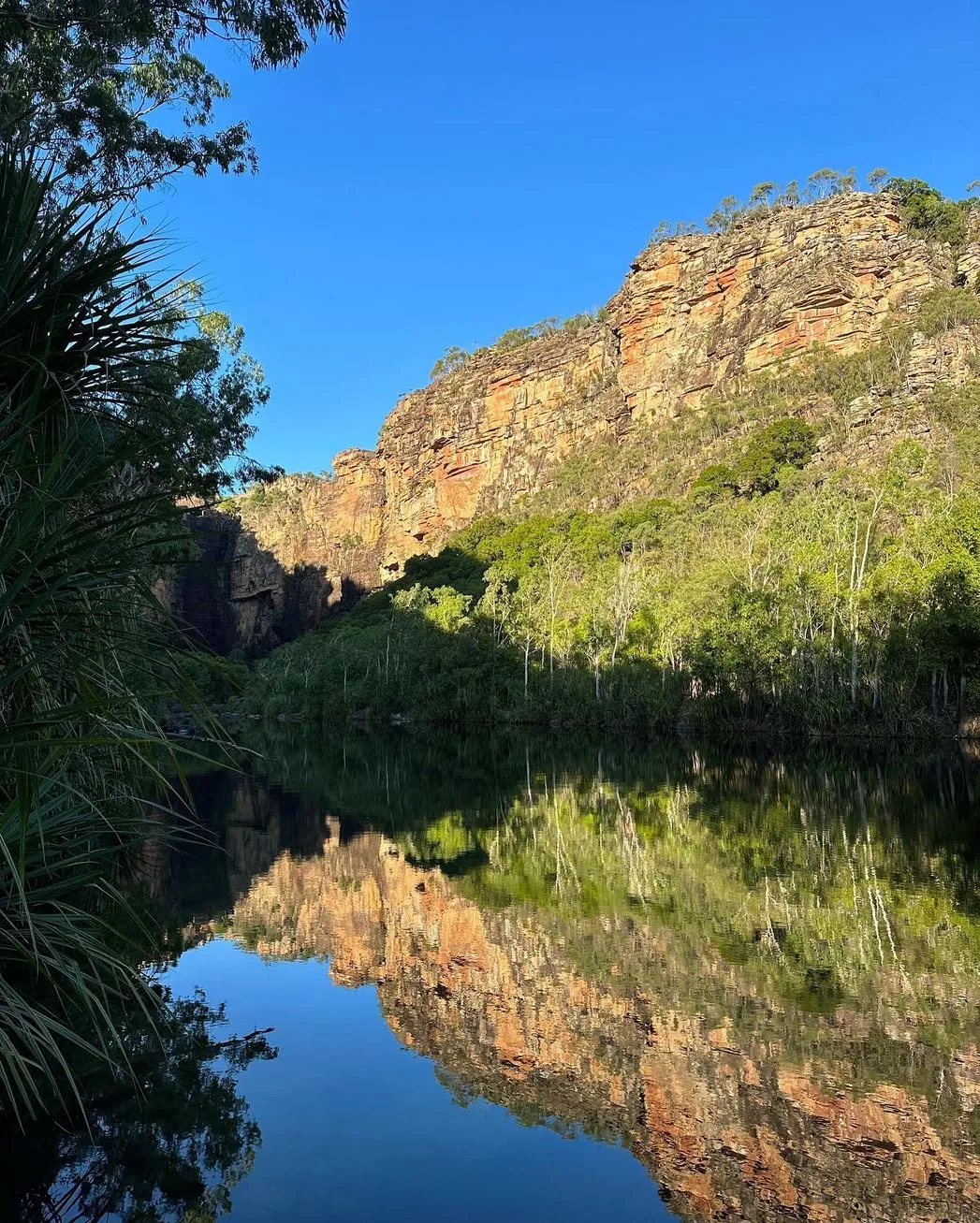
You need to buy a Kakadu park pass to access walking trails, cultural sites, ranger talks and swimming holes. The dry season from May to October is the best time to visit when most areas are open. But visiting during the wet season means you get to see the park turn into a lush water wonderland.
Whether you’re looking at the incredible wildlife, feeling the natural springs or tracing the stories etched into rock walls by ancient hands, Kakadu has experiences you won’t find anywhere else on earth.
| Travel Information | Details |
|---|---|
| Location | Northern Territory, Australia |
| Distance from Darwin | 171 km (106 miles) |
| Main Access Road | Arnhem Highway |
| Best Time to Visit | Dry season (May-October) or wet season (for dramatic landscapes) |
| Park Entry | Kakadu park pass is required |
FAQ
How far is Kakadu National Park from Darwin?
Kakadu is 171km (3 hours’ drive) south of Darwin.
How do I get to Kakadu National Park?
By car via the Arnhem Highway or join a 5-day Kakadu tour.
Is Kakadu National Park open all year?
Yes, but access varies. The dry season (May to October) is best for full access, and the wet season is beautiful.
Do I need a pass to enter Kakadu National Park?
Yes, a Kakadu park pass is required for all visitors to access the park’s many attractions.
What else is near Kakadu National Park?
Litchfield National Park, Nitmiluk National Park and Arnhem Land are all nearby and offer wildlife, cultural sites and wild encounters.